Description
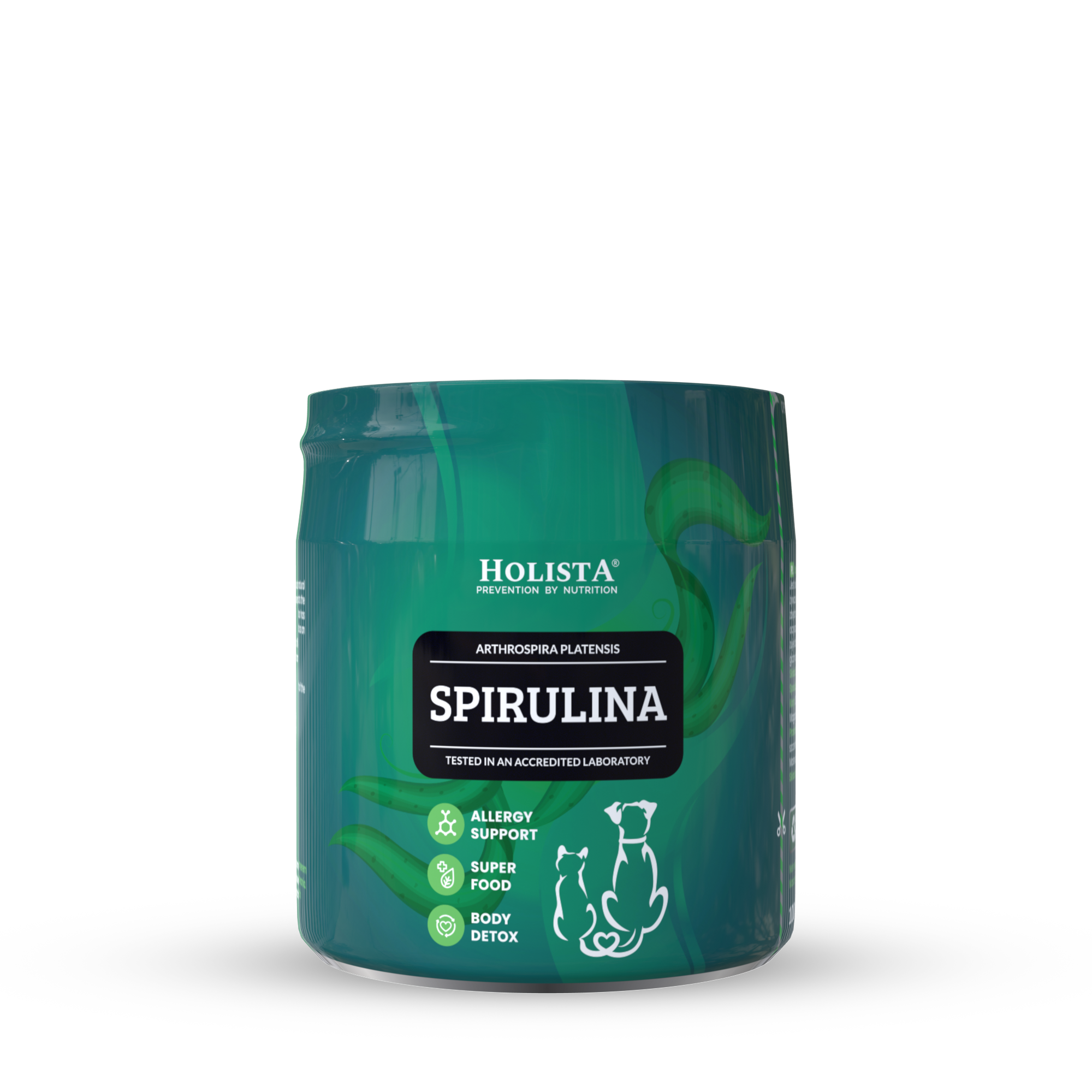
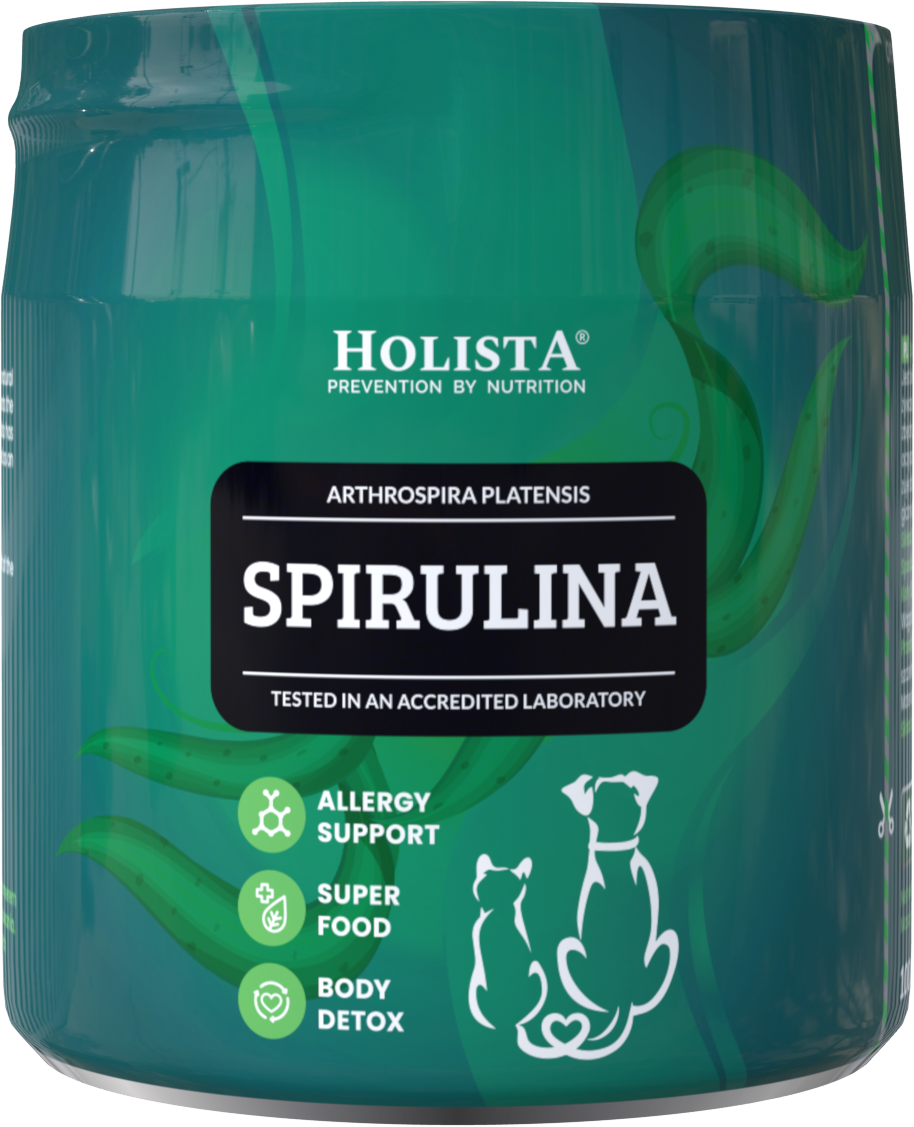
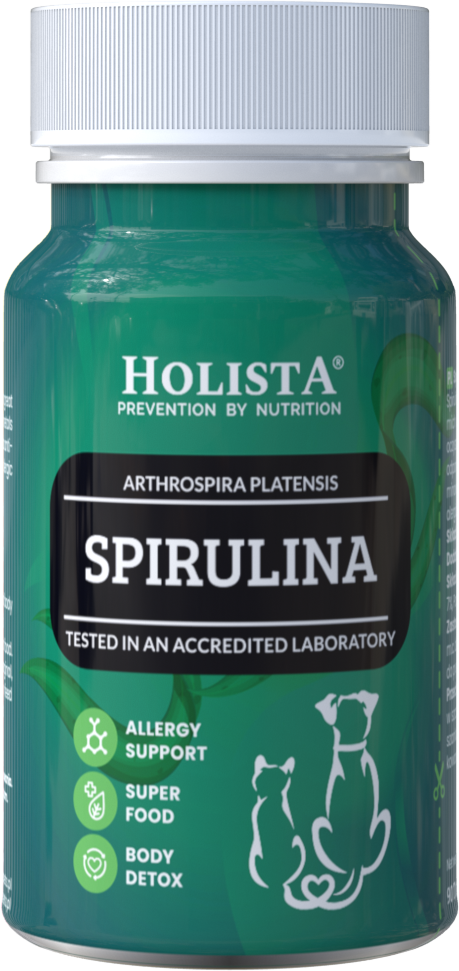
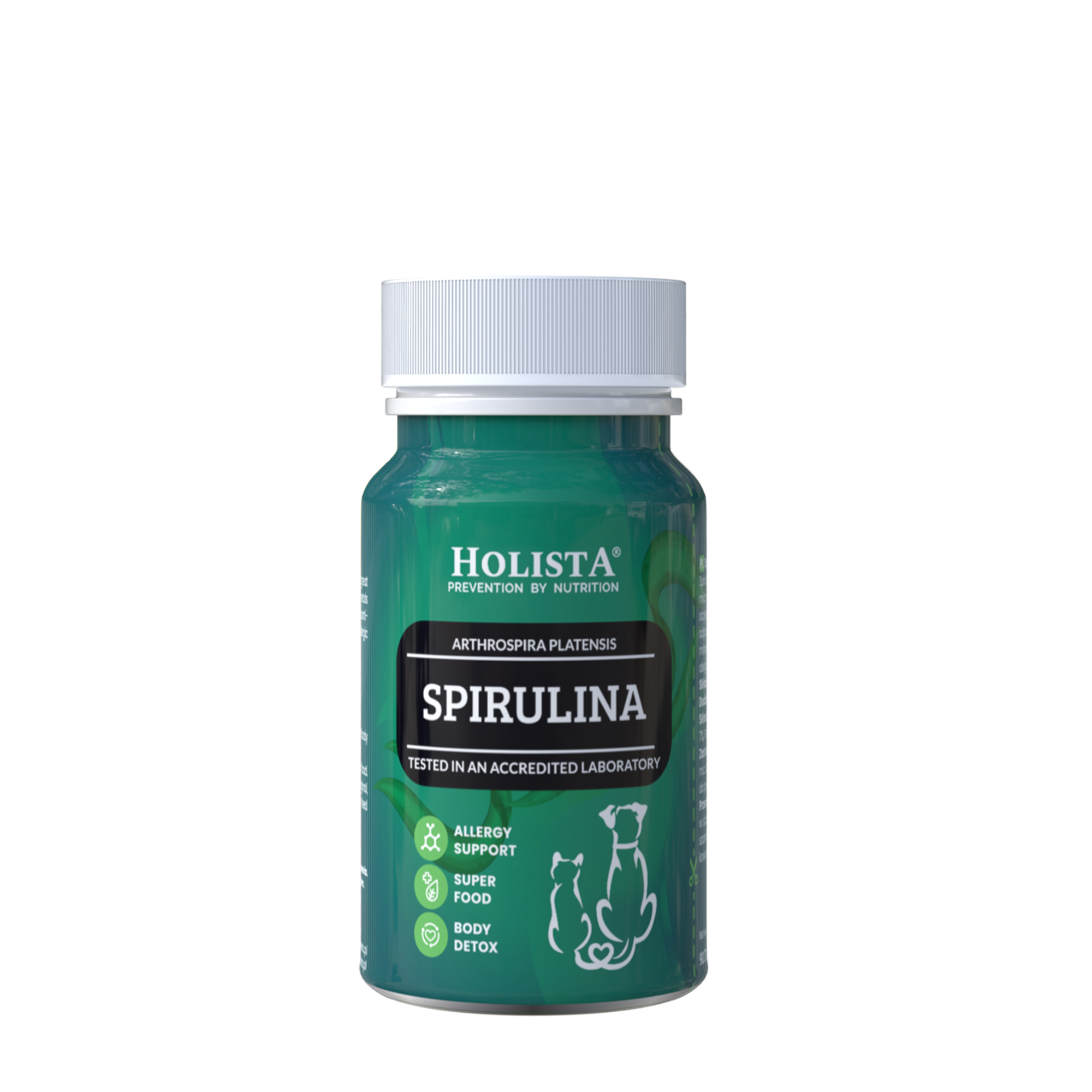
Known as a SUPERFOOD, spirulina owes its popularity to its exceptional nutritional properties. It is an excellent source of protein, vitamins, minerals, and essential unsaturated fatty acids. It supports the body in cleansing from heavy metals and toxins, strengthens the immune system, and has antihistamine properties that help reduce allergic reactions. Especially recommended as a supplement to dry food.
Spirulina is a cyanobacterium extremely rich in protein, which makes up about 60–70% of its dry mass — much more than in chicken or other meats. In addition, spirulina is abundant in B vitamins, as well as vitamins A, E, D, and biotin. It also provides essential minerals such as iron, calcium, phosphorus, manganese, zinc, chromium, sodium, potassium, copper, and selenium. Spirulina is also a source of RNA and DNA acids, both endogenous and exogenous amino acids, and beneficial fatty acids such as gamma-linolenic acid, beta-carotene, linoleic acid, and arachidonic acid, all of which have a positive effect on the condition of your pet’s coat and skin.
Holista Spirulina for dogs and cats also provides your pet’s body with antioxidants that fight free radicals. A free radical is an atom with an unpaired electron. It forms when an organism is exposed to chemicals, toxins, or pollution. Because such an atom cannot exist independently, it reacts quickly with other compounds, stealing an electron and initiating a chain reaction that creates many more free radicals — a process known as oxidative stress. Free radicals and oxidative stress are linked to various serious diseases, such as cancer, heart disease, and premature aging.
Cyanobacteria are the first group of bacteria that evolved the ability to convert atmospheric carbon dioxide into organic carbon compounds using water as an electron donor — releasing oxygen as a by-product. The oxygen-rich environment we live in today is partly due to millions of years of cyanobacterial photosynthetic activity, which enabled the evolution of other oxygen-dependent life forms. In fact, it is this same ability to bind carbon dioxide and produce organic matter that we now use in large-scale cultivation of these organisms for food production.
Composition
Composition: 100% spirulina
Each batch of raw material is carefully selected by experts based on current quality analyses.
Analytical composition (per 100 g):
Protein 57% • Fat 7% • Ash 8%
Dosage
Dosage:
Do not use in animals with epilepsy.
Usage
Method of administration: powder product, mix with food.
Mix the measured daily dose with food. Introduce the supplement gradually — use half of the recommended daily dose during the first three days.
Storage: at room temperature in original packaging, tightly closed.
Precautions
Do not use in animals with epilepsy.